Share the criteria before hand-in
Tell students what material intent, surface control, technical quality, and revision mean for this assignment. Adjust the weights before the work begins.
Assessment resources
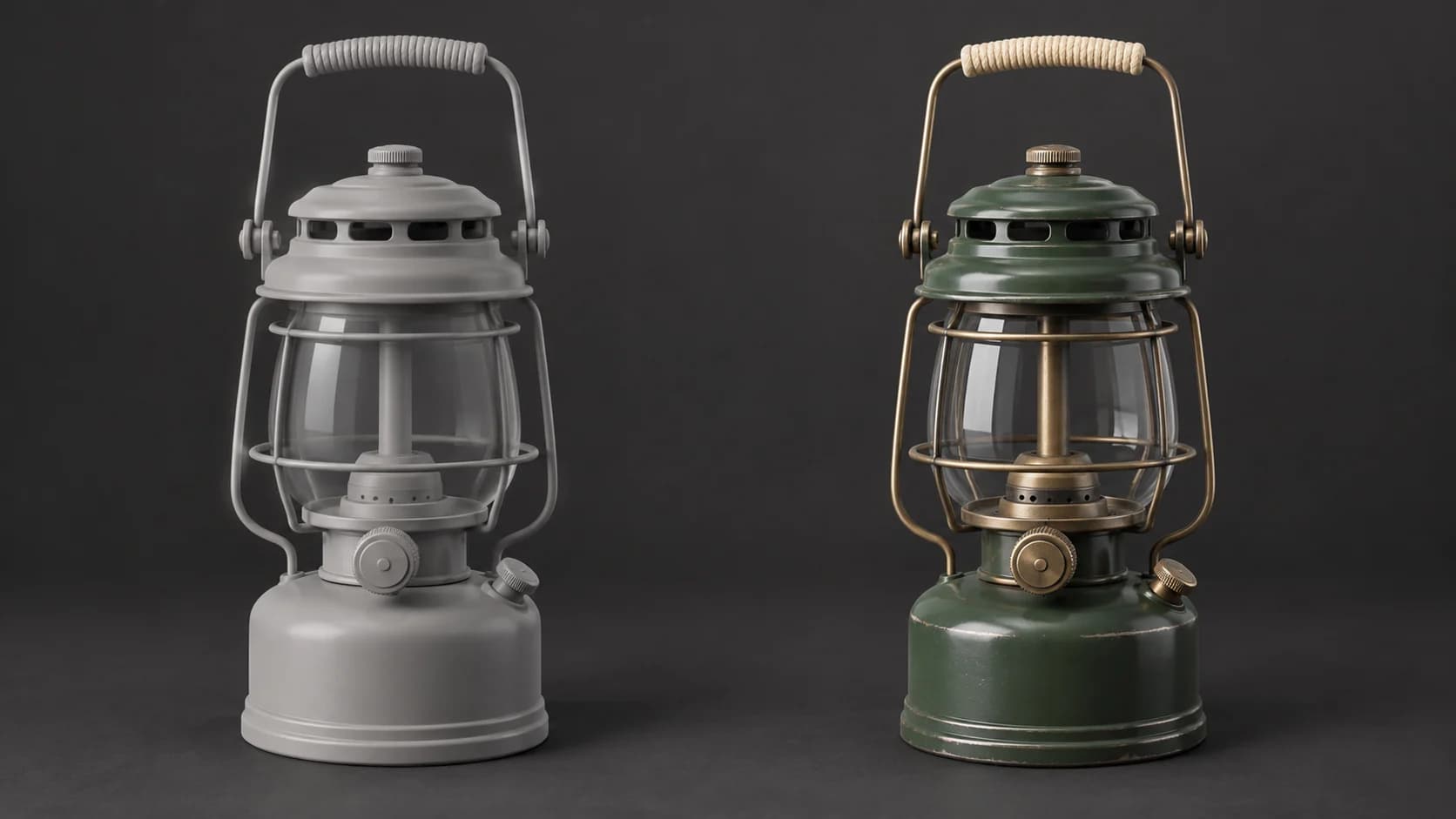
Use this suggested 20-point rubric to assess a textured prop: four criteria, each worth five points. Inspect the submitted model, connect the score to visible evidence, and give the student one concrete next step.
Tell students what material intent, surface control, technical quality, and revision mean for this assignment. Adjust the weights before the work begins.
Review the submitted 3D snapshot from several angles. Check seams, hidden surfaces, and material boundaries alongside the student's final presentation.
Name the location of the issue, explain its effect, and suggest a change the student can test. Keep revision criteria separate from final polish.
Why Mixos
This rubric is a starting point for a small PBR texturing assignment. Set the expected materials, reference requirements, texture resolution, and deliverable before assigning it. For a hand-painted exercise, replace physically based material accuracy with consistency of painted light and the intended art style. The criteria should measure the task you actually taught.
Score each criterion from zero to five using the bands below. Within a band, choose the lower score when the issue appears repeatedly and the higher score when it is isolated. The four scores total 20 points. Share examples of acceptable work with your class and calibrate a sample submission with any other instructors before marking the roster.
Review the frozen Mixos submission rather than a student's later project edits. Ask for a short material explanation and evidence of revision through your agreed course hand-in method. Do not infer a student's process from the final image alone. If an assignment does not include a revision stage, replace that criterion with another stated learning outcome before work starts.
Record the total as a numeric score in Mixos and explain the individual criteria in written feedback. This page supplies a rubric for you to copy and adapt; it does not add an automatic rubric-scoring panel. CSV grade export is available. Invited Google Classroom pilot classes can sync released numeric totals, while the criterion breakdown and detailed feedback remain in Mixos.
0–1: the intended surfaces are missing or cannot be distinguished. 2–3: the main materials read, but roughness, metallic, or color choices are inconsistent. 4–5: surfaces are clearly differentiated and the student explains choices using reference evidence. Inspect under consistent lighting rather than awarding points for a dramatic render.
0–1: masks or surface detail are incomplete and obscure the design. 2–3: the main regions are controlled, with some accidental boundaries or repetitive wear. 4–5: masks, detail scale, and wear placement are deliberate across the visible and hidden surfaces. Judge the style specified in the brief rather than requiring realism in every project.
0–1: severe stretching, missing maps, or broken material setup prevents review. 2–3: the submission works but has noticeable seam, density, or export issues. 4–5: seams and map values are checked, the requested files are organized, and any required engine handoff is demonstrated. Assess only the technical steps included in the assignment.
0–1: the requested explanation or revision evidence is missing. 2–3: the student identifies choices and addresses some feedback. 4–5: the explanation connects decisions to reference and the revised work responds to specific critique. A reasoned decision to retain a choice can count when the student demonstrates why it serves the brief.
Material intent: __/5. Surface control: __/5. Technical quality: __/5. Reasoning and revision: __/5. Total: __/20. Evidence: identify one surface and the effect you observed. Next step: describe one change to test. Recheck: explain how the student can tell whether that change helped.
Yes. The four equally weighted criteria are a suggestion. Adapt the weights and descriptors to your learning outcomes and communicate them before students begin. Keep the total and the assignment's maximum points consistent.
No. You inspect the work and decide the scores. Enter the total as a numeric score and put the criterion breakdown in written feedback. The rubric here is a teaching resource, not an automated assessment feature.
The invited pilot integration syncs released numeric totals for matched students on Mixos-published assignments. It does not sync rubric criteria or detailed feedback. Students still turn in manually in Google Classroom.
This version is for texturing a supplied or completed prop. For modeling or sculpting, define separate criteria for shape, topology, proportion, or the learning goals you taught. Do not use texture quality as a proxy for geometry quality.
Read next
The whole pass, from import to exported maps.
The maps a modern material is made of, and what each one does.
Why the same texture reads bigger on one model than another.
Drop the files in and see the material lit, in the browser.
Keep exploring
Feedback for student 3D work
Student game art project briefs
Lesson resources for instructors
Portfolio projects for instructors
Google Classroom integration · pilot