Show the contribution
Separate the student's texture work from supplied meshes, shared materials, and reference. A clear credit line makes the case study easier to understand.
Portfolio projects for instructors
Help students explain a finished asset: what the brief required, which parts they authored, how the materials work, and what changed after critique. Plan the documentation alongside the assignment so the final piece comes with evidence of the student's decisions.
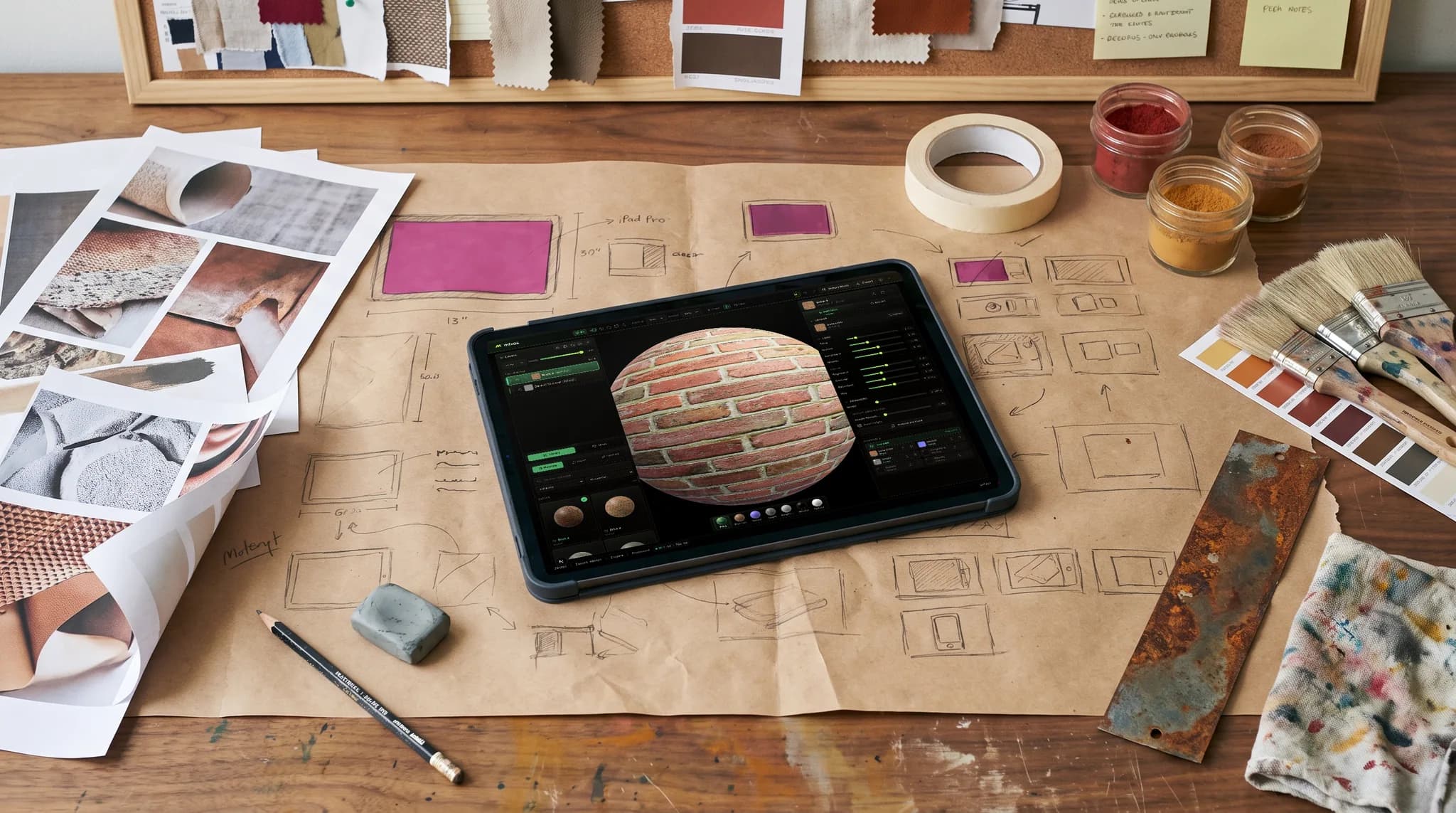
Separate the student's texture work from supplied meshes, shared materials, and reference. A clear credit line makes the case study easier to understand.
Pair final views with selected material or mask details and a short explanation. The breakdown should answer how the result was built.
Classroom grants include 4K watermark-free texture export for the approved term. Have students keep a local archive of the assets and documentation they need.
Why Mixos
Choose one completed prop from the course and define a compact case study as a separate deliverable. A useful starting set is a main image, two supporting angles, a material breakdown, and a short account of one revision. The purpose is to make the work and the student's contribution understandable, not to fill a page with every screenshot made during the unit.
Keep the opening description specific: the asset, the task, the tools used, and the parts supplied by someone else. If the instructor provided the mesh, the student should say that they authored the textures. Credit library assets and check the license of each externally sourced item before publication. A classroom grant is not permission to redistribute someone else's source files.
Use the breakdown to explain a decision. Show a painted region and its mask, compare two roughness choices, or point out a seam that was corrected after critique. Include only the maps and views that make that explanation clearer. If the case study claims the asset works in an engine, show the checked engine setup rather than relying on the editor's appearance alone.
Mixos projects stay on the student's own account when the classroom term ends, and the account returns to the free plan. Export the needed production-resolution maps while the grant is active and keep an independent archive. Students assemble and publish the case study in the portfolio platform or submission system their course chooses; this page does not provide a public portfolio-hosting feature.
Keep private marking separate from public presentation. Let the student summarize the revision in their own words rather than posting a grade, an instructor's private notes, or other students' work. The course's portfolio expectations should identify which documentation is assessed and where it is handed in.
Name the asset and assignment goal. State which geometry, textures, and materials the student made, which assets were supplied, and where required credits will appear.
Choose views that reveal the important surfaces, then show one useful material or mask detail. Keep lighting and framing readable and include the target-engine view when it is part of the brief.
Explain a specific issue, the change made, and how it was checked. Use the student's own work as evidence and omit private grades or feedback from the public case study.
Save the source project, exports, images, contribution statement, and credits while the course is active. Assemble the case study in the course's chosen portfolio destination and check its file and privacy requirements.
Present one completed textured prop. Include a main view, two supporting angles, one material breakdown, and a short revision explanation. State your contribution and credit supplied assets. Hand in the portfolio document through our course's agreed system; submit the assessable 3D snapshot in Mixos.
Yes. Projects remain on their own Mixos accounts when the grant ends and accounts return to the free plan. Production export privileges follow the active plan or grant, so save the required exports while classroom access is active.
This workflow uses Mixos for creating, exporting, and reviewing the 3D work. Students assemble and publish their case study in the portfolio site, document, or course system they choose.
Yes, when the asset's license permits the intended presentation. Clearly identify the supplied model and credit its creator. The student should describe their texture or material contribution without claiming authorship of the geometry.
Keep private marking in the course workflow. A portfolio can describe the student's own revision process without reproducing grades, private notes, or other students' work.
Read next
The whole pass, from import to exported maps.
The maps a modern material is made of, and what each one does.
Why the same texture reads bigger on one model than another.
Drop the files in and see the material lit, in the browser.